
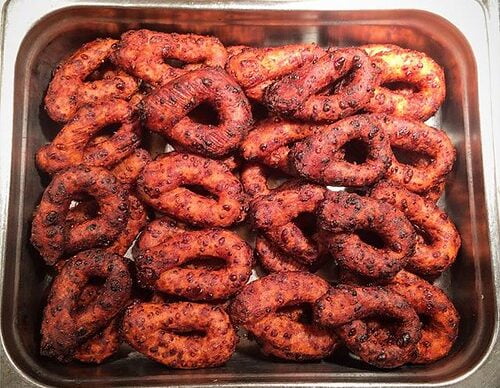
Mandocas, those delicious golden rings of fried dough, are much more than a simple craving; They are a piece of living history of Venezuelan Zulia. On this culinary journey, we will explore the origins, evolution and cultural meaning of this delicacy that has conquered palates inside and outside Venezuela.
And for those who long for authentic taste far from home, Mosaico Frozen brings the essence of Zulian mandocas directly to your table, with the same quality and freshness that you would find on the streets of Maracaibo.
Origins of the Mandocas
The history of the Mandocas dates back to pre-Columbian times, intertwining with the rich cultural heritage of the Zulia state. It is believed that its roots are found in the cuisine of the Añú and Wayúu indigenous people, who lived on the shores of Lake Maracaibo. These native peoples already used bananas and corn in their daily diet, laying the foundations for what would later become the Mandoca.
With the arrival of the Spanish and, later, African slaves, the recipe evolved. Cheese, introduced by Europeans, was incorporated into the mix, giving rise to that unique contrast between sweet and salty that characterizes current mandocas.
The etymology of the name "mandoca" is the subject of debate among culinary historians. Some theories suggest that it derives from "goose bread", referring to its circular shape, while others relate it to indigenous words that mean "rolled food."
-
Product on offer
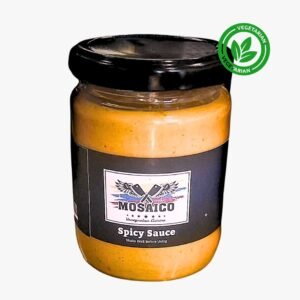
 Spicy Guasacaca Sauce, 8 OZ – Salsas MosaicoThe original price was: $21.00.$16.96The current price is: $16.96.
 -
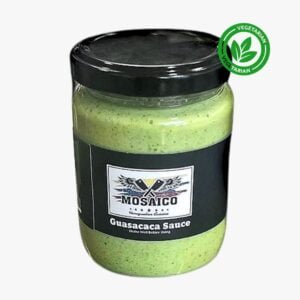
Product on offerVenezuelan Guasacaca Sauce, Green Sauce, 8 OZ – Salsas MosaicoThe original price was: $21.00.$16.96The current price is: $16.96.
-
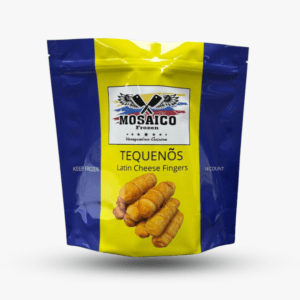
Product on offerFrozen Venezuelan Tequeños, Latin Cheese Fingers (28 units)The original price was: $62.00.$44.50The current price is: $44.50.
Evolution Over Time
Over the centuries, the mandocas recipe has undergone subtle changes, adapting to the tastes and availability of ingredients of each era. What started as a simple mixture of banana and corn was enriched with the addition of cheese and spices.
In different areas of Zulia, regional variations can be found. For example, in some areas a sweeter touch is preferred, while in others they are inclined to highlight the flavor of the cheese. This diversity has contributed to the gastronomic richness of the region.
As mandocas gained popularity, they transcended the borders of Zulia to become an emblem of Venezuelan cuisine in general. Nowadays, it is possible to find them throughout the country, although Zulians insist that the authentic ones are only made in their land.
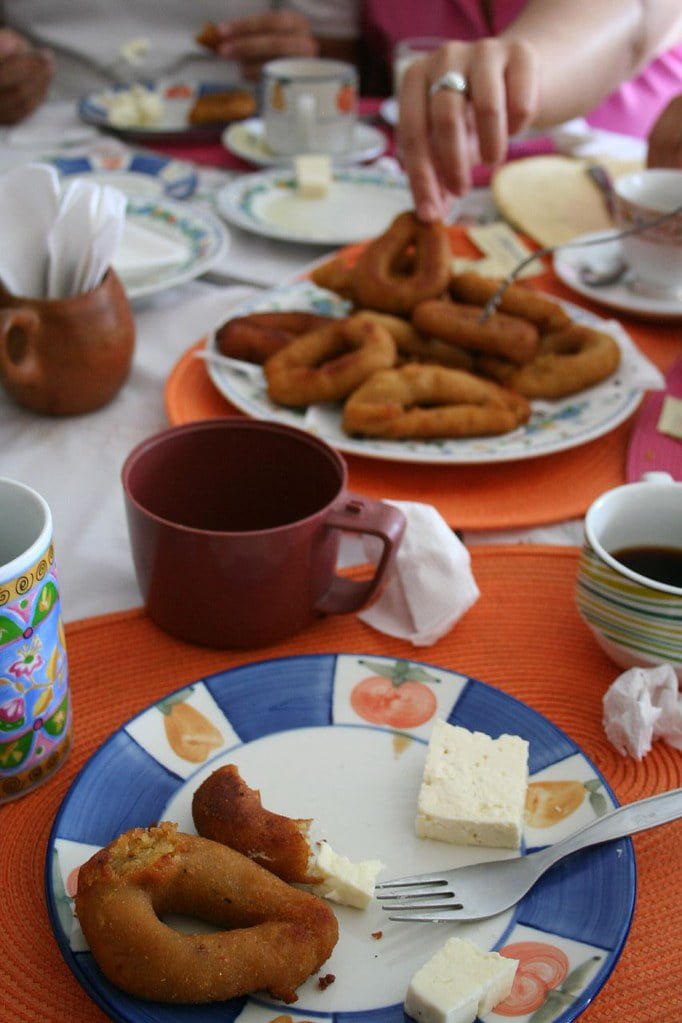
Traditional Ingredients and Their Meaning
The magic of mandocas lies in the simplicity and quality of its ingredients:
- Ripe banana: Provides natural sweetness and is the base that gives consistency to the dough.
- Corn flour: Provides texture and is a tribute to the indigenous roots of the recipe.
- Cheese: The salty touch that balances the flavors and provides that characteristic creaminess.
The quality of these ingredients is essential to achieve authentic flavor. In Mosaico FrozenFor example, ripe bananas and artisanal cheeses are carefully selected to ensure that each mandoca is a genuine experience.
Elaboration process
The traditional preparation of mandocas is an art that is passed down from generation to generation:
- You start by mashing the ripe bananas until you obtain a smooth puree.
- Add the corn flour and knead until a homogeneous consistency is achieved.
- The grated cheese is incorporated into the dough, distributing it evenly.
- Rings are formed with the dough, giving them the characteristic shape of mandocas.
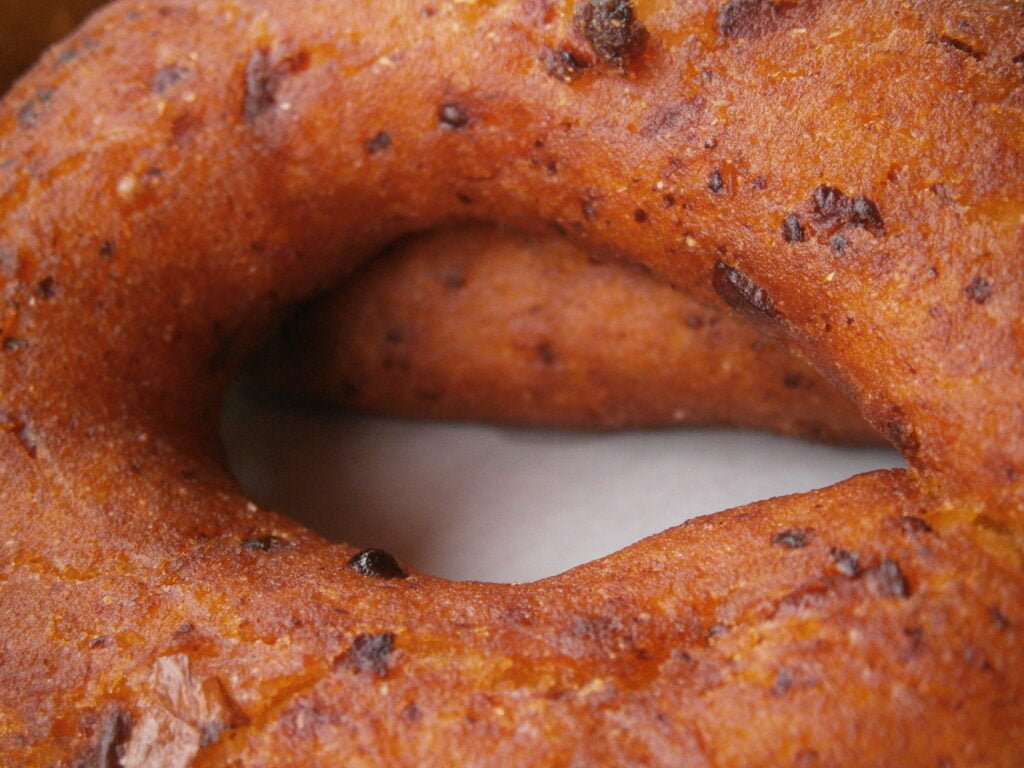
- Finally, they are fried in hot oil until they acquire a golden color and a crispy texture on the outside, but soft on the inside.
The secret to achieving the perfect texture lies in the temperature of the oil and the frying time. Zulian experts affirm that a well-made mandoca should have a crunchy exterior that gives way to a tender and slightly elastic interior.
The Fascinating History of Venezuelan Empanadas: A Culinary Journey Through Time
The Mandocas in the Zuliana Culture
Beyond being a food, mandocas are a cultural symbol of Zulia. They are present in traditional festivities such as the Chinita Fair, where they are served along with traditional hot chocolate. At weddings and family celebrations, it is common to see large trays of freshly made mandocas, shared among guests.
Zulian literature and music have also immortalized the Mandocas. Local poets have included them in their verses as a metaphor for the sweetness of home, while folk songs mention mandocas as an inseparable part of regional identity.
There is even a popular saying that goes: "More Zulian than the Mandocas", used to describe something or someone that embodies the pure essence of the region.
History of the Mandocas: A Journey through Venezuelan Zulia
Origins
- Pre-Columbian roots
- Añú and Wayúu indigenous influences
- Fusion with Spanish and African traditions
Key Ingredients
- Ripe banana
- Cornmeal
- Cheese
Cultural Significance
- Zulian identity symbol
- Present in traditional festivities
- Part of regional literature and music
Evolution and Expansion
From regional snack to national and international icon
Local food from Zulia
Popularity throughout Venezuela
Global expansion with Mosaico Frozen
Enjoy authentic Zulian mandocas with Mosaico Frozen – Bringing tradition to your table!
Modern Variations
In recent years, innovative chefs have experimented with the traditional recipe, creating gourmet variations. Some include cream cheese or guava fillings, while others incorporate ingredients like coconut or chia seeds to add new textures and flavors.
To accommodate modern dietary needs, gluten-free versions have emerged, using alternative flours, and vegan options that replace cheese with plant-based alternatives. These innovations demonstrate the versatility of mandocas and their ability to evolve without losing their essence.
As for the presentation, some fine dining restaurants have begun to deconstruct mandocas, presenting them as part of elaborate dishes that play with the expectations and senses of the diners.
Regional Differences in Venezuelan Empanadas: A Journey through Venezuela Filled with Flavor
The Mandocas Beyond Borders
With the Venezuelan diaspora, mandocas have traveled the world, becoming a flavor that evokes memories and connects expatriates to their roots. In cities with large Venezuelan communities, such as Miami or Madrid, mandocas can be found in specialty restaurants and ethnic markets.
This is where companies like Mosaico Frozen they play a crucial role. By offering authentic frozen mandocas, they allow Venezuelans abroad to enjoy this delicacy at any time, keeping the tradition alive and sharing their culture with new generations and communities.
Nutritional Value and Benefits
Although mandocas are primarily considered a food for pleasure, they also provide certain nutritional benefits:
- They are a good source of complex carbohydrates, providing long-lasting energy.
- The banana provides potassium and fiber.
- Cheese provides calcium and protein.
However, due to their fried preparation method, it is recommended to consume them in moderation as part of a balanced diet. Compared to other processed snacks, mandocas offer the advantage of being made with natural ingredients and without artificial preservatives.
-
Product on offerFrozen Mini Venezuelan Chicharrón Arepas (2 Bags of 14 Units)The original price was: $45.00.$43.15The current price is: $43.15.
-
Product on offerFrozen Mini Venezuelan Dogfish Empanadas (2 Bags of 12 Units)The original price was: $56.00.$45.90The current price is: $45.90.
-
Product on offerFrozen Mini Venezuelan Ground Beef Empanadas (2 Bags of 12 Units)The original price was: $56.00.$45.90The current price is: $45.90.
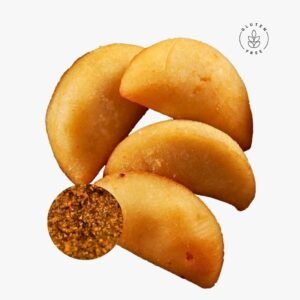
How to Enjoy Mandocas Mosaico Frozen
For those who want to enjoy authentic mandocas at home, Mosaico Frozen offers a convenient and delicious solution. Here we leave you some tips to prepare them:
- Preheat the oven to 180°C (350°F).
- Place the frozen mandocas on a baking tray.
- Bake for 10-12 minutes, turning halfway through cooking.
- Enjoy them hot, alone or with your favorite accompaniment.
Mandocas can be enjoyed any time of day, but are especially popular as a breakfast or snack. Traditionally, they are accompanied with cream (thick milk cream) or grated white cheese. For a completely Zulian experience, serve them with a glass of Andean chicha or a café con leche.
Frozen Venezuelan Tequeños in Houston, TX
Conclusion
Mandocas are much more than just a food; They are a testament to the rich history and culture of Zulia and Venezuela. From their humble indigenous origins to their current status as a gastronomic icon, they have maintained their essence through generations.
Thanks to companies committed to authenticity like Mosaico Frozen, this culinary treasure continues to delight palates and evoke memories, not only in Venezuela but in homes around the world. We invite you to explore the catalog of Venezuelan products from Mosaico Frozen and bring a little piece of this history to your table. Because each mandoca is more than a bite; It is a journey to the roots of a vibrant and welcoming culture.
Frequently Asked Questions about the History of the Mandocas
What is the exact origin of mandocas?
Although an exact origin cannot be determined, it is believed that Mandocas were born from the fusion of indigenous, Spanish and African culinary traditions in the Zulia region, Venezuela.
How are mandocas different from other similar foods?
Mandocas are distinguished by their ring shape, the unique combination of ripe banana and cheese, and their texture that is crispy on the outside but soft on the inside.
Can homemade mandocas be frozen?
Yes, homemade mandocas can be frozen. It is recommended to do this before frying them and cook them directly from the freezer when they are going to be consumed.
What is the best way to reheat fried mandocas? Mosaico Frozen?
The best way is to bake them at 180°C (350°F) for 10-12 minutes, although they can also be heated in a frying pan with a little oil over medium-low heat.
The commands of Mosaico Frozen Are they suitable for celiacs?
Traditional mandocas contain corn flour, which is not suitable for celiacs. However, we recommend that you consult directly with Mosaico Frozen about gluten-free options in their product catalog.

Your Orders for Frozen Products and Sauces Mosaico Frozen do Free shipping within United States.
FROZEN MOSAIC – TEQUEÑOS NEAR YOU IN THE UNITED STATES